
Australia's New Workplace Exposure Limits (WEL)

What industrial businesses need to know before 1 December 2026

Loading component...
Other Airborne Contaminants Under Increased Scrutiny

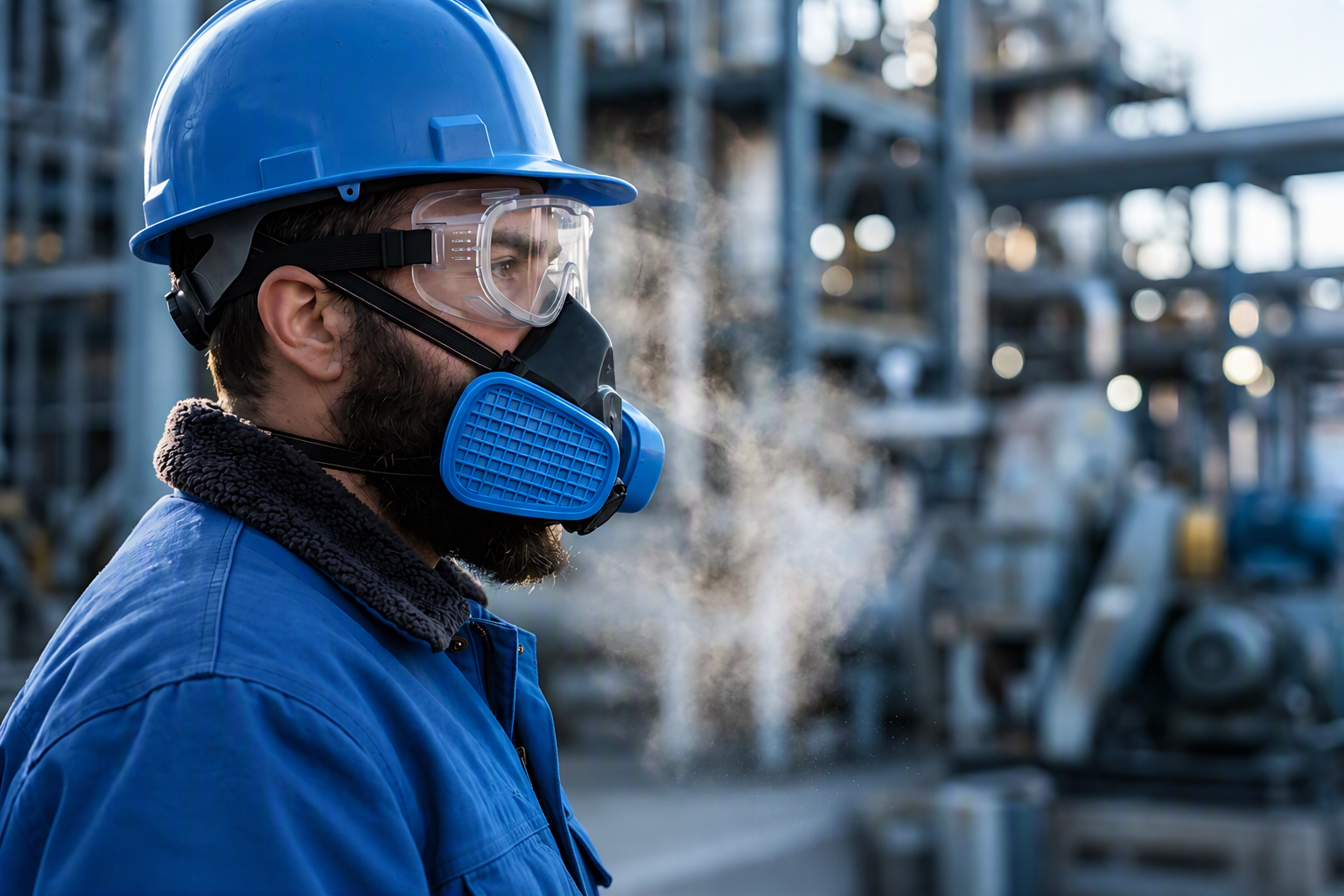
While DPM may be attracting the most attention, it is part of a broader shift towards tighter control of workplace air quality. The WEL review includes changes to various airborne contaminants commonly found in industrial environments, including combustion gases, fumes, and other workplace-generated pollutants. Safe Work Australia notes that exposure limits have been reduced, increased, introduced, or revised across numerous contaminants as part of the review process. 

For industrial facilities, this highlights the growing importance of comprehensive air quality management rather than focusing on a single contaminant.


Visit Safe Work Australia

Why Air Quality Matters More Than Ever

Airborne contaminants are often invisible, but their impact on worker health can be significant.

Exposure to dust, fumes, combustion by-products, and other contaminants may contribute to:

  • Respiratory irritation
  • Reduced lung function
  • Chronic respiratory conditions
  • Long-term occupational health risks
  • Reduced workplace comfort

Creating a cleaner working environment benefits both employees and business operations.

Healthier Employees

Cleaner air helps reduce worker exposure to harmful contaminants and supports long-term wellbeing.

Improved Productivity

A comfortable work environment can help employees remain focused and productive throughout the workday.

Stronger Compliance Position

Proactively managing airborne contaminants can help organisations meet regulatory obligations and prepare for future requirements.

Enhanced Workplace Reputation

Demonstrating a commitment to employee health and safety helps build trust with workers, customers, and stakeholders.


The Importance of Flexible Ventilation Infrastructure

As regulations evolve and facilities grow, ventilation systems must be able to adapt.
 
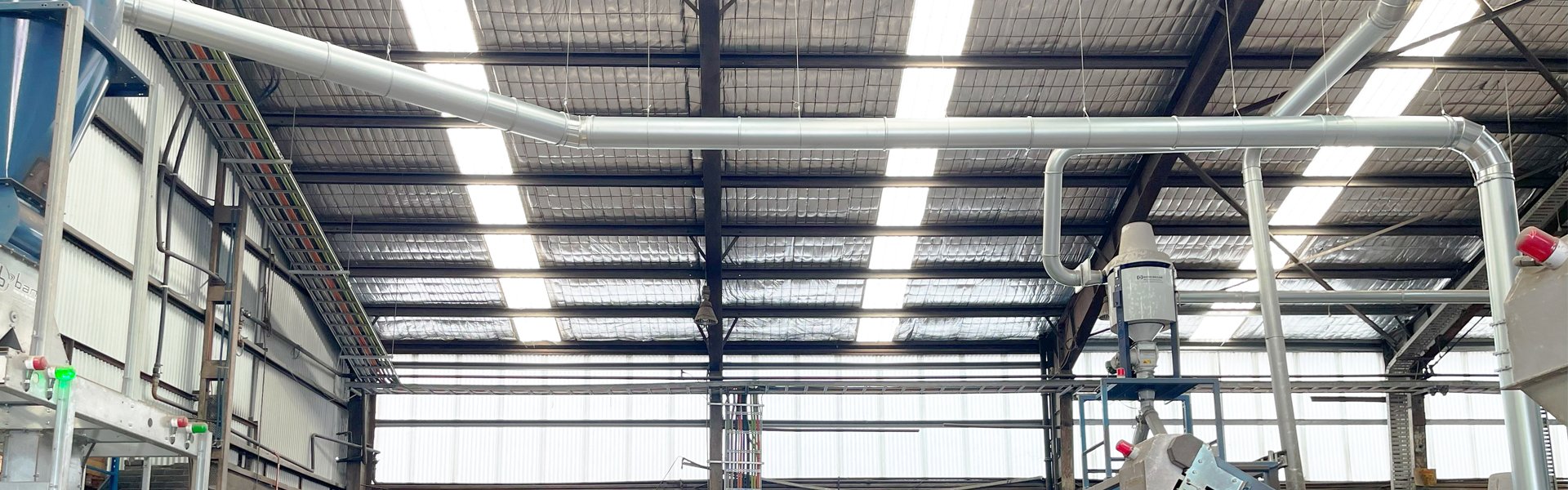
Modular ducting systems offer several advantages for facilities looking to improve air quality management:
  • Fast installation and modification
  • Easy expansion as operations change
  • Simplified maintenance and inspection
  • Reduced disruption during facility upgrades
  • Support for a wide range of extraction and ventilation applications

Whether managing diesel emissions, dust, welding fumes, or other airborne contaminants, having an adaptable extraction network can help facilities respond quickly to changing operational and regulatory requirements.


 

Preparing for 1 December 2026

Businesses should begin evaluating their exposure risks before the new Workplace Exposure Limits come into effect.

Key questions to consider include:
✅ Are airborne contaminants being captured at the source?
✅ Have diesel emissions been assessed within your facility?
✅ Are workers exposed to contaminants in enclosed or restricted spaces?
✅ Is your ventilation and extraction infrastructure still fit for purpose?
✅ Can your extraction system be expanded or modified as operational requirements change?
✅ Have workplace air quality risks been reviewed against the upcoming WEL requirements?

 
Need help preparing for the new WEL requirements? Our team can help you design or upgrade extraction systems that support cleaner air, improved operational efficiency, and greater flexibility for future changes.